
How AI Is Transforming Web Development Workflows
AI-assisted coding tools changed how fast developers write code. The bigger, less-discussed shift is how they're changing what a web development team's day actually looks like, end to end.
Beyond Autocomplete
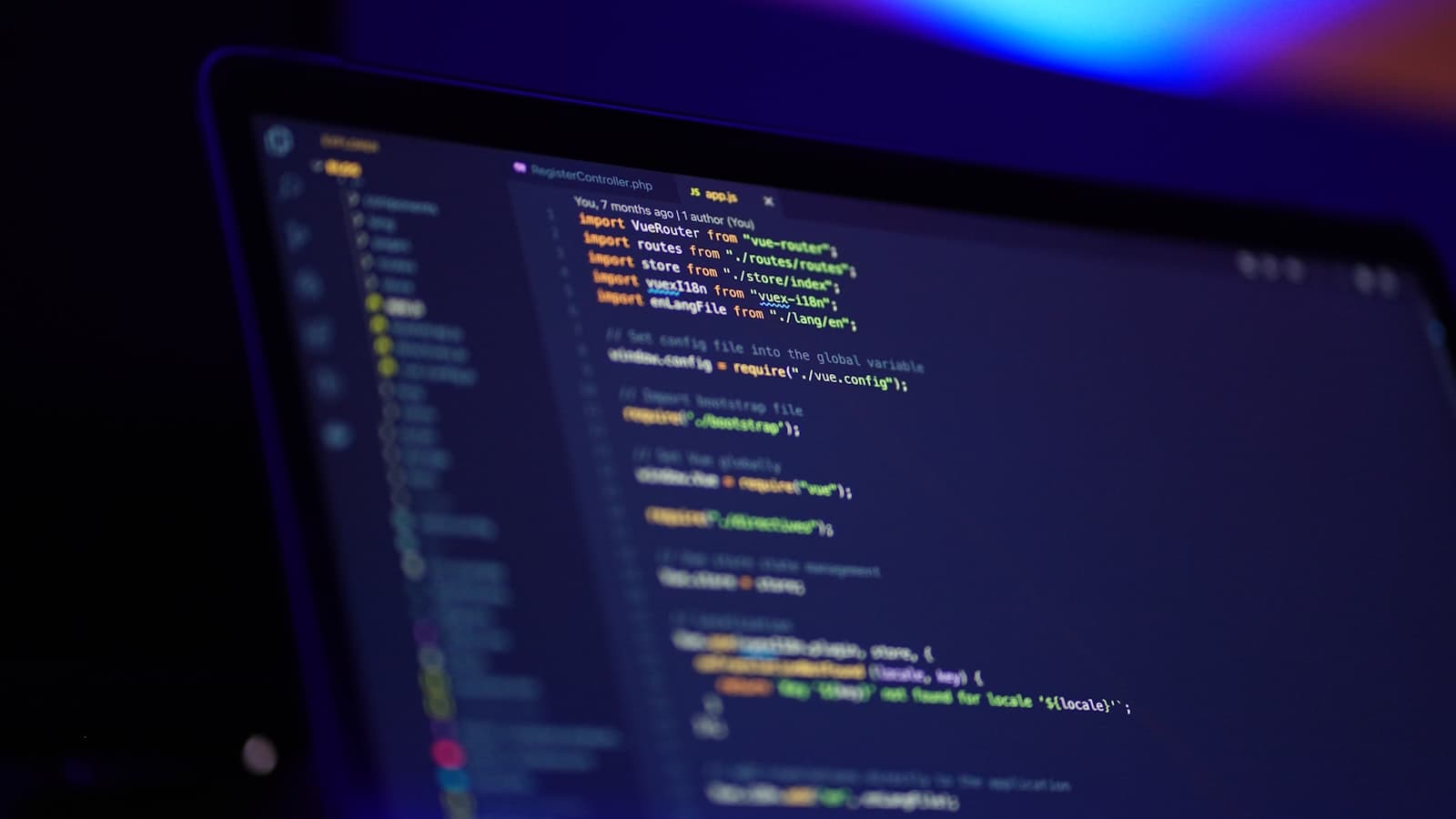
The first wave of AI in web development was autocomplete on steroids — suggesting the next line of code as you type. That's still useful, but it undersells where things actually are now. Modern AI tooling handles multi-file changes across a codebase, writes and runs tests against its own suggestions, and can take a plain-language description of a bug and locate the likely cause across a large, unfamiliar codebase faster than a human scanning file by file.
The practical effect isn't just "developers type less." It's that the boring, mechanical 40% of development work — boilerplate, repetitive CRUD scaffolding, writing the tenth similar test case — shrinks dramatically, leaving more time for the parts that actually require judgment: architecture decisions, edge-case handling, and genuinely novel problems.
Where It Genuinely Speeds Things Up
Scaffolding new features, components, and API endpoints from a clear spec is now close to instant — what used to be an hour of boilerplate is minutes of review. Writing tests, which developers notoriously under-invest in because it's tedious, becomes far more likely to actually happen when generating a solid first draft of a test suite takes seconds instead of an afternoon. Debugging unfamiliar code — someone else's module, a legacy system, a library you don't know well — gets faster because AI tools can trace logic and surface the likely cause without you reading every line first.
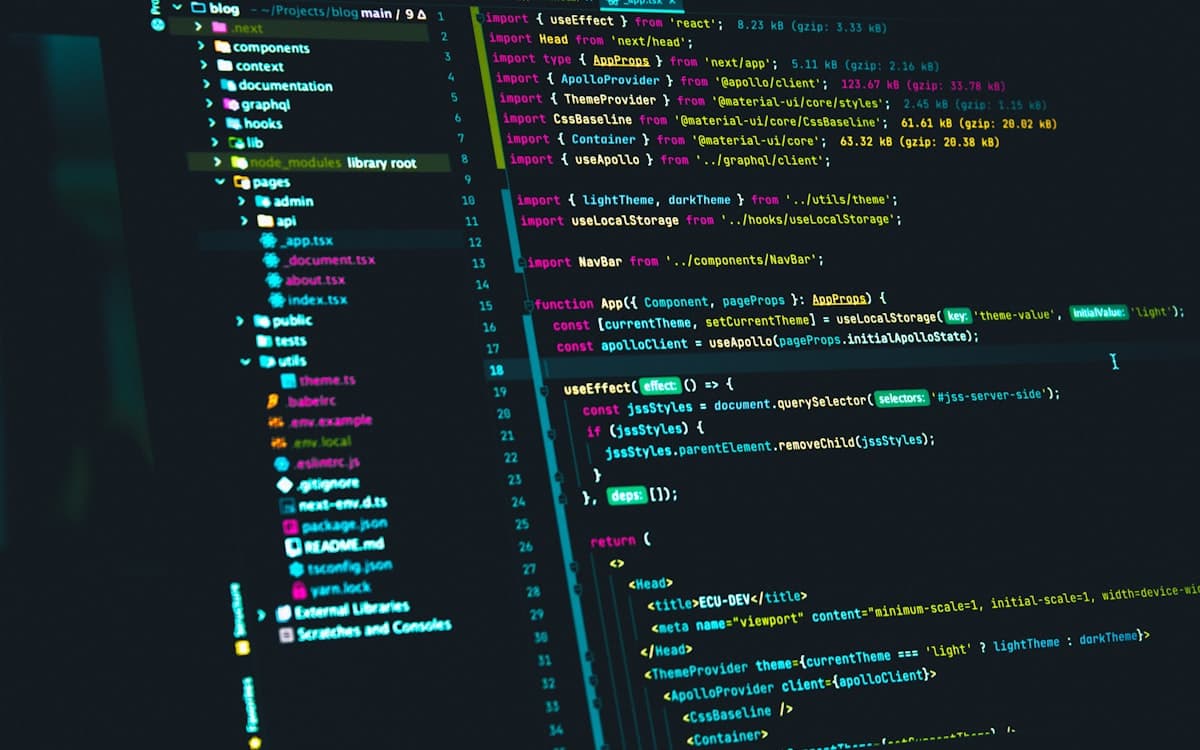
Code review is shifting too: AI-assisted review catches a class of issues — inconsistent error handling, missed null checks, deviations from team conventions — before a human reviewer even opens the pull request, so human review time concentrates on architecture and logic instead of style nits.
Where It Still Needs a Human Firmly in Charge
AI-generated code is confident even when it's subtly wrong, and the failure mode that matters most is code that runs, passes a quick glance, and has a bug that only shows up under a specific edge case or at scale. That means code review discipline matters more with AI-assisted development, not less — the volume of code produced goes up, and unreviewed volume is exactly how technical debt and security gaps accumulate quietly.
Architecture decisions — how services are split, what the data model looks like, how a system will need to scale in two years — still require a human who understands the actual business context AI tools don't have visibility into. AI is very good at implementing a well-specified plan and much weaker at deciding what the plan should be.
What Good Teams Are Doing Differently
Teams getting real value have adjusted their process, not just handed developers a new tool. They've tightened code review standards to match the higher volume of code being produced, invested in strong test coverage because AI tools make writing tests cheap enough that skipping them is no longer excusable, and started treating clear technical specs as more valuable than ever — a vague spec produces vague AI-generated code just as reliably as it used to produce vague human-written code.

The Net Effect
Web development teams using AI tools well are shipping faster, not because the AI writes better code than a senior engineer would, but because it removes the mechanical drag that used to eat a huge share of every sprint. The teams struggling with it are usually the ones that adopted the tools without adjusting review and testing discipline to match the new pace.
More From the Blog


Ready to Transform Your Business?
Let's build something extraordinary together. Get a free consultation and discover how Staller Stack can accelerate your digital journey.