
Building Production-Ready AI Agents: Architecture and Best Practices
A demo agent that works in a controlled test is a different engineering problem than an agent that runs reliably in production with real users and real consequences. Here's the architecture gap between the two.
The Demo-to-Production Gap
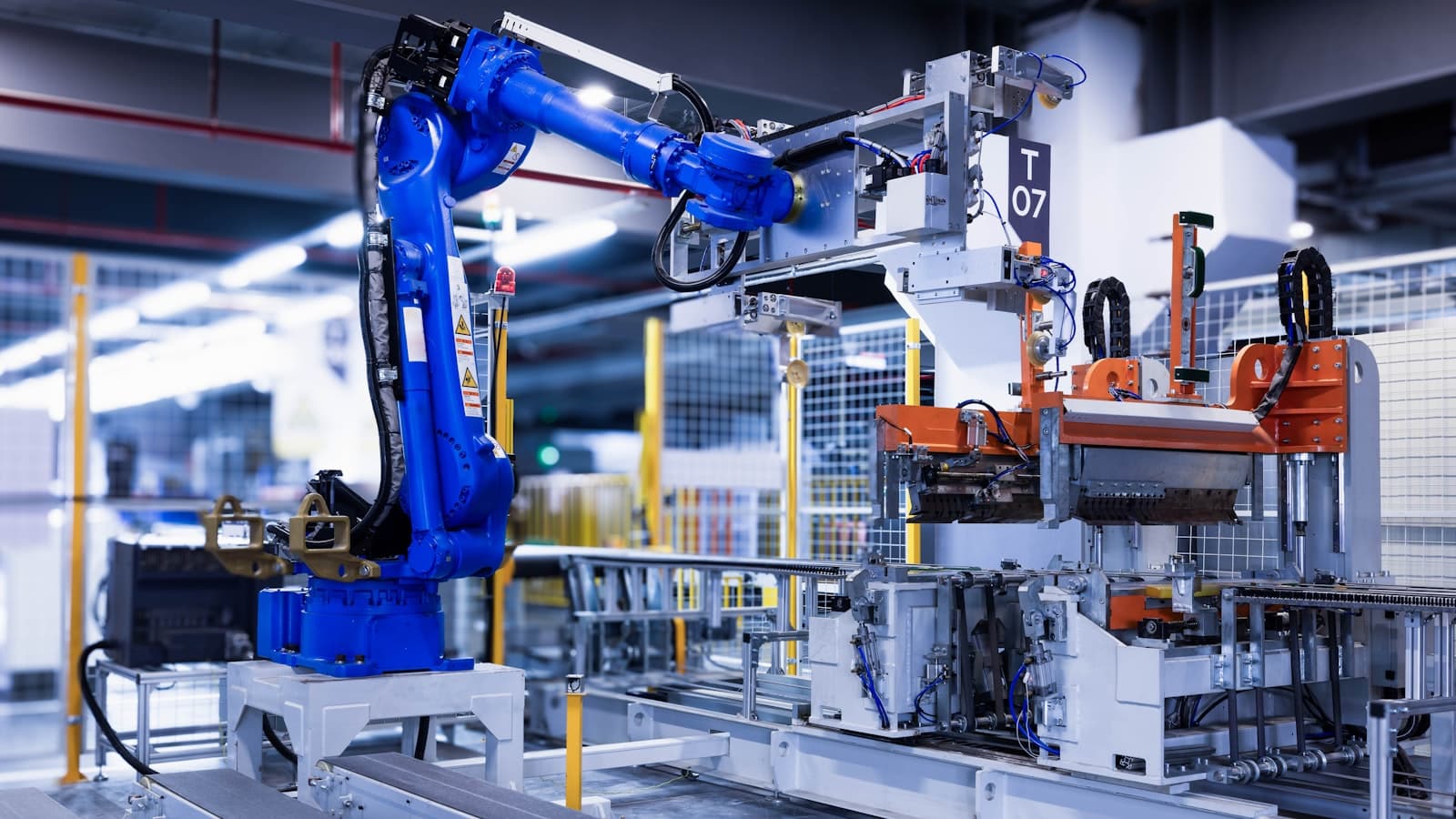
Building an agent that completes a task once, in a controlled test, with clean inputs, is a weekend project with today's frameworks. Building an agent that does the same task reliably, thousands of times a day, with messy real-world inputs, partial API outages, and users trying to break it on purpose — that's a different engineering problem entirely. Most of the gap between a demo and a production system is architecture the model itself has nothing to do with.
Teams that skip straight from demo to launch usually discover this the hard way: an agent that worked perfectly in testing starts looping indefinitely on an edge case, or calls a paid API a thousand times because nothing was rate-limiting it, or takes an action it should never have been allowed to take alone. None of that is the model "being wrong" — it's missing infrastructure.
Define the Boundary Before You Write a Prompt
Every production agent needs an explicit answer to "what is this agent allowed to do without asking?" before a single line of orchestration code gets written. That means a defined tool allowlist — the exact set of functions and APIs the agent can call, nothing implicit or open-ended — and a clear tier system: actions the agent takes freely, actions that require a confirmation step, and actions that always route to a human regardless of how confident the agent is.
Getting this boundary wrong in either direction causes real damage. Too permissive, and an agent can take an irreversible action — sending an email, issuing a refund, modifying a database record — based on a misread instruction. Too restrictive, and the agent becomes a glorified form that asks for approval so often nobody bothers using it.
Guardrails, Not Just Prompts
A system prompt telling the agent "never do X" is a suggestion, not a guarantee — language models are probabilistic, and a well-crafted or accidental input can still get around instructions alone. Production agents need guardrails enforced in code, outside the model's control: hard-coded validation on any action with real consequences, spend caps on tool calls that cost money, timeouts and retry limits so a stuck agent can't loop forever, and an audit log of every action taken and why, so a bad outcome is debuggable after the fact.
The rule of thumb: if an outcome would be genuinely bad, don't rely on the prompt to prevent it. Enforce it structurally, the same way you'd validate user input on any other system, regardless of how well-behaved you expect the input to be.
State, Memory, and Failure Recovery
Multi-step agents need to track where they are in a task across calls that might span seconds or hours, survive a crash partway through without losing that state, and recover gracefully when a tool call fails instead of either silently giving up or retrying into a loop. That means persistent state storage, idempotent tool calls where possible (so a retry doesn't double-charge a customer or send a duplicate email), and explicit failure handling for every external call the agent makes — not just the happy path.
This is standard distributed-systems engineering applied to a new kind of orchestrator. The reasoning model is genuinely novel technology; the reliability engineering around it is not, and skipping it because the AI part is exciting is how production incidents happen.

Monitor It Like You'd Monitor Any Critical System
Once live, a production agent needs the same observability discipline as any other critical service: dashboards on task success rate, average steps to completion, tool call failure rates, and cost per completed task, plus alerting when any of those drift. Agentic systems fail in ways traditional software doesn't — not with a stack trace, but with a subtly wrong decision that looks reasonable in isolation. Catching that requires watching outcomes, not just uptime.
More From the Blog


Ready to Transform Your Business?
Let's build something extraordinary together. Get a free consultation and discover how Staller Stack can accelerate your digital journey.